Empathy and Accountability—an Unlikely but Vital Combination

As a leader, I learned long ago that most people are capable of much more than their manager gives them credit for. If you are a leader who thinks this way, you probably treat your team members well—the way you would want to be treated if you were in their shoes. As you get to know each individual, you may even start to feel that you understand how they think and feel about different things. You are an empathetic leader.

When a leader has empathy for their direct reports, does it mean they will let everyone do their job in whatever way they choose? Of course not. It is the leader’s responsibility to set boundaries by keeping people accountable for their goal achievement, growth, and behavior. In other words, the best leaders not only lead with empathy, they also hold their people accountable. Both elements are critical for success in today’s organizations.

If this sounds familiar, it might be because you’ve heard me say “Servant leadership is the best way to achieve both great relationships and great results.” Being empathetic while instilling accountability in people are leadership skills that can have the same positive outcome. Leaders must hold people accountable for achieving goals, but those who focus only on results will lose their people. Successful leaders are able to create an empathetic environment where people feel seen and heard and also want to perform at a high level.

A key part of leading with empathy is being a good listener. People appreciate a manager who cares about them and what they think. One way for managers to build meaningful connections with their people is to schedule one-on-one meetings where the direct report sets the agenda. There’s no better way to get to know team members as individuals than to set aside time—just 20 to 30 minutes every other week—to chat about anything they wish. It’s a unique opportunity for a manager and a direct report to speak openly with one another without interference or judgment.

When you begin the meeting, eliminate distractions so that you will be present and focused on your team member. Demonstrate curiosity and the desire to help. Open your mind to their ideas and viewpoints. Allow the person time to think before they speak. Also, pay attention to nonverbal clues such as their tone of voice. Practice active listening by restating in your own words what the person said. Or wait until the end of the meeting when you can thoughtfully  summarize the full conversation—so that your direct report knows you empathize and understand their perspectives and experiences. Having regular one-on-one meetings leads to trusting relationships built on empathy, respect, loyalty, and accountability for everyone involved.

Remember that as a manager, the best moments you spend are the ones you invest in your people. Lead with empathy and show them they are valued by listening, letting them know you understand their needs, and always keeping the lines of communication open. They will want to do their best for you and willingly take accountability. When that happens, you’ll know you have a high performing team.

Autonomy Through Boundaries

When I talk to leaders about helping their people become autonomous, a lot of them think I mean they should give people the freedom to do anything they want. That is not the case. To inspire an empowered, autonomous workforce, leaders must create boundaries.

Boundaries have the capacity to channel energy in a specific direction. Just as the banks of a river channel the power and energy of water, so do effective boundaries channel the power and energy of people.

One of my favorite sayings is “A river without banks is a very large puddle,” taken from my book with John Carlos and Alan Randolph, Empowerment Takes More Than a Minute. Without boundaries, the work people do has no momentum and direction.

            Establishing boundaries sets people up to win. Imagine playing tennis with just a net and no markings for boundary lines. You wouldn’t know how to keep score, evaluate your performance, or improve your game.

            Here are the steps to take to create empowering boundaries:

  1. Establish clear goals, expectations, and standards of performance.

Goals ensure people know the areas in which you expect them to be autonomous and responsible. The worst thing a manager can do is to send people off on their own with no clear goals and then punish them when they don’t meet unspoken expectations. Don’t be one of those managers. Communicate in plain language what people need to accomplish.

  • Ensure people are aware of all procedures, rules, and laws.

Policies and procedures are important to guide day-to-day operations and decision making. Just be sure to review the rules periodically to make sure they are still relevant. If your people alert you to a procedure that no longer makes sense, listen to them. They’re often closer to the action than you are and better able to see when it’s time to rethink outdated procedures.

  • Confirm everyone knows your organization’s compelling vision:
    • Your purpose (what business you are in)
    • Your picture of the future (where you are going)
    • Your values (what will guide your journey)

By communicating your organization’s vision, you help people understand how their work fits into the big picture. Seeing their contribution to the mission and vision of the organization can motivate people to high performance.

            While it may sound counter-intuitive, boundaries and the fastest way to empower people to become autonomous. Clear boundaries allow people to make decisions, take initiative, act like owners, and stay on track to reach both personal and organizational goals.

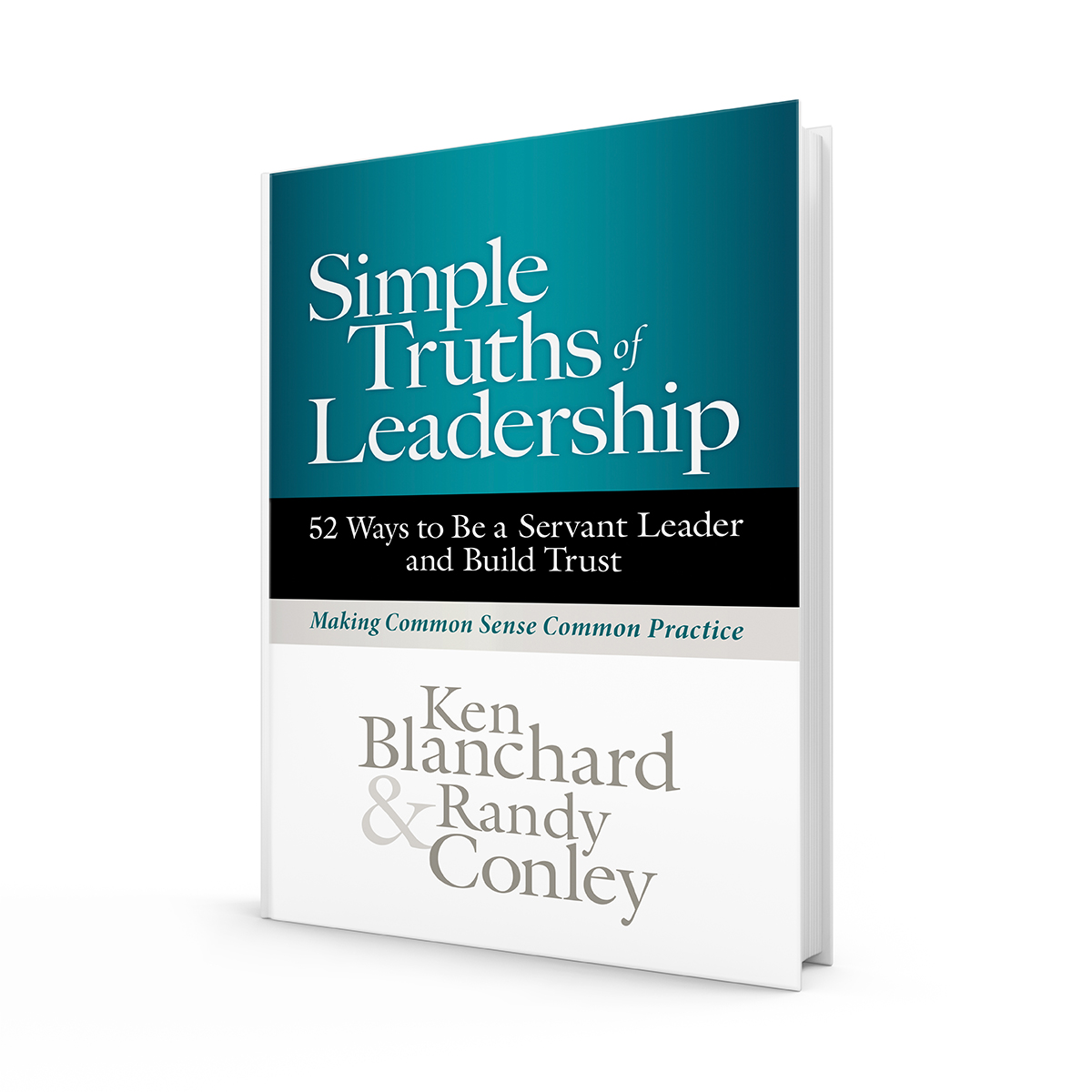
This blog was based on Simple Truth #12 in Simple Truths of Leadership: 52 Ways to Be a Servant Leader and Build Trust, available now at your favorite bookstore. To download an eBook summary of the book, please go here.

Want to Give Your People More Autonomy? Set Boundaries First!

This may seem to be a contradiction in terms, but the very best way for organizations to begin developing a culture of empowerment is to set boundaries. By boundaries I don’t mean restrictive, barbed wire fences that tell people where they can and can’t go; I’m talking about flexible, rubber band guidelines that are able to expand to allow people to take on more responsibility and autonomy in relation to their skill level.

Some leaders believe giving people autonomy means allowing them the freedom to do anything they want to do. But that’s not true. Just as river banks allow a river to flow, effective boundaries help channel people’s energy in the right direction. Giving people freedom within boundaries empowers them to grow, develop, and accomplish their goals in a way that makes sense.

A great example of boundary setting is budgeting. People who lack the skills to set budgets are given a boundary—a spending limit—before being given more responsibility. They are also given the training and skill development needed to enable them to handle greater autonomy.

Again, even though it may sound illogical, organizations must have a fundamental structure in place before they can create a true autonomous culture. This structure includes a common purpose, values, and goals, individual job roles, specific incentives and other motivators, along with models of appropriate behavior and measures of success. Basic structure elements also can include company rules, policies, and procedures, of course—but with the provision of allowing people to use their brains to make exceptions when a policy doesn’t make sense.

Team members may think autonomy means they immediately get to make all the decisions—and they may be disappointed when they learn their manager will continue to make strategic decisions. But as people learn from their manager what goes into decision making, and as they become more comfortable assuming the inherent risks, their manager will involve them in operational decisions. Through regular training, people gradually become accountable for their decisions and the potential consequences, and managers pull back on their involvement in decision making. These guidelines allow managers and their people to operate freely within their newly defined roles.

A true culture of empowerment involves establishing boundaries, providing structure and training, and then getting out of the way and trusting your people to be magnificent.