
A Positive Approach to Re-Direction

\One of the things people seem to be most interested in about The New One Minute Manager® is the modern version of the Third Secret: One Minute Re-Directs. Spencer Johnson and I realized that One Minute Reprimands worked years ago when you needed to change behavior in a command-and-control management environment, but today working side by side with people gets better results. When everyone is constantly learning and re-learning new skills The One Minute Re-Direct is more gentle and caring than a reprimand, and that’s what makes it so powerful.

My friend Erwin McManus has a wonderful saying: “Don’t let the truth run faster than love.” This applies so well when re-directing behavior. When someone makes a mistake you need to tell the truth so you can change the behavior—but make sure you do it in a caring way. Also assume the best intentions. The best way to do this is to talk to your direct report about what you observed to make sure their goals were clear to them at the time. If you both determine that the goals were clear, next check out the facts leading up to the re-direction to make sure you both agree on what happened. Discuss the impact of the behavior, and then reaffirm the person in a way that is meaningful. Let the person know they are better than their mistake and you have confidence and trust in them.

Garry Ridge, CEO of WD-40 Company, states it this way: “It’s important to maintain the balance between being tenderhearted and task oriented.” As a leader you must be able to re-direct behavior to keep people on the right track while also respecting their dignity. Remember—when you share feedback it is never about you or the other person; it is about the behavior. A leader’s job is to constantly help people be the best they can be.

I hope you find this information helpful the next time you need to re-direct someone’s behavior. You’ll encourage them to improve performance while letting them know how much you support their success.
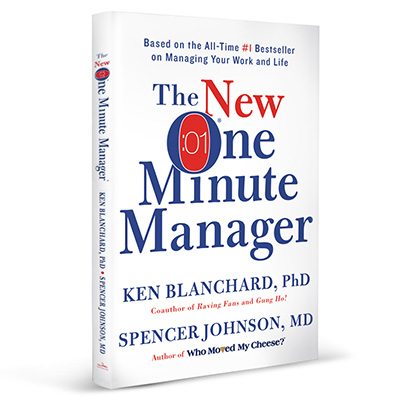
NOMM-book-featureTo learn more about The New One Minute Manager, visit the book homepage where you can download the first chapter.

Are You a Leader? Here’s How to Tell

Ripple effect of dew drop fallingSometimes when I’m leading a session for a big group of managers, I’ll ask, “How many of you think of yourself as a leader?” Usually only about one-third of them raise their hands. Somehow they think the word leader is reserved for high-level positions like President or CEO.

But each of us has the ability to influence someone else, whether it be a coworker, a child at home, a spouse, or a friend. Anytime you are trying to influence the thinking, beliefs, or development of another person, you are engaging in leadership. Of course there are traditional organizational leadership responsibilities that involve goals and objectives, but if you think beyond those confines, you’ll realize that everyone is a leader—you are a leader—unless you’re stranded on an island by yourself!

I’m always reminded of this when I ask people to tell me about someone who has influenced them and had a positive impact on their life. They very seldom mention traditional leaders at work. They usually talk about parents, grandparents, aunts, uncles, coaches, or teachers.  The one characteristic common among all of these influencers?  Their interest in helping another person develop.

The truth is that we are all trying to influence people, whether it is in the office, at home, or with friends.  But we need to pay attention to how we do it. Are we there to serve or to be served? The most effective leaders know that true leadership is about serving and impacting people in a positive way. It’s about letting people know that you want to help them be the best they can be and that you truly care about them.

Even if you don’t have a traditional leadership role right now, chances are you are playing a significant role in the life of another person.  Identify it, claim it, and recognize the impact you can have in someone else’s life.

Five Keys to Great Customer Service

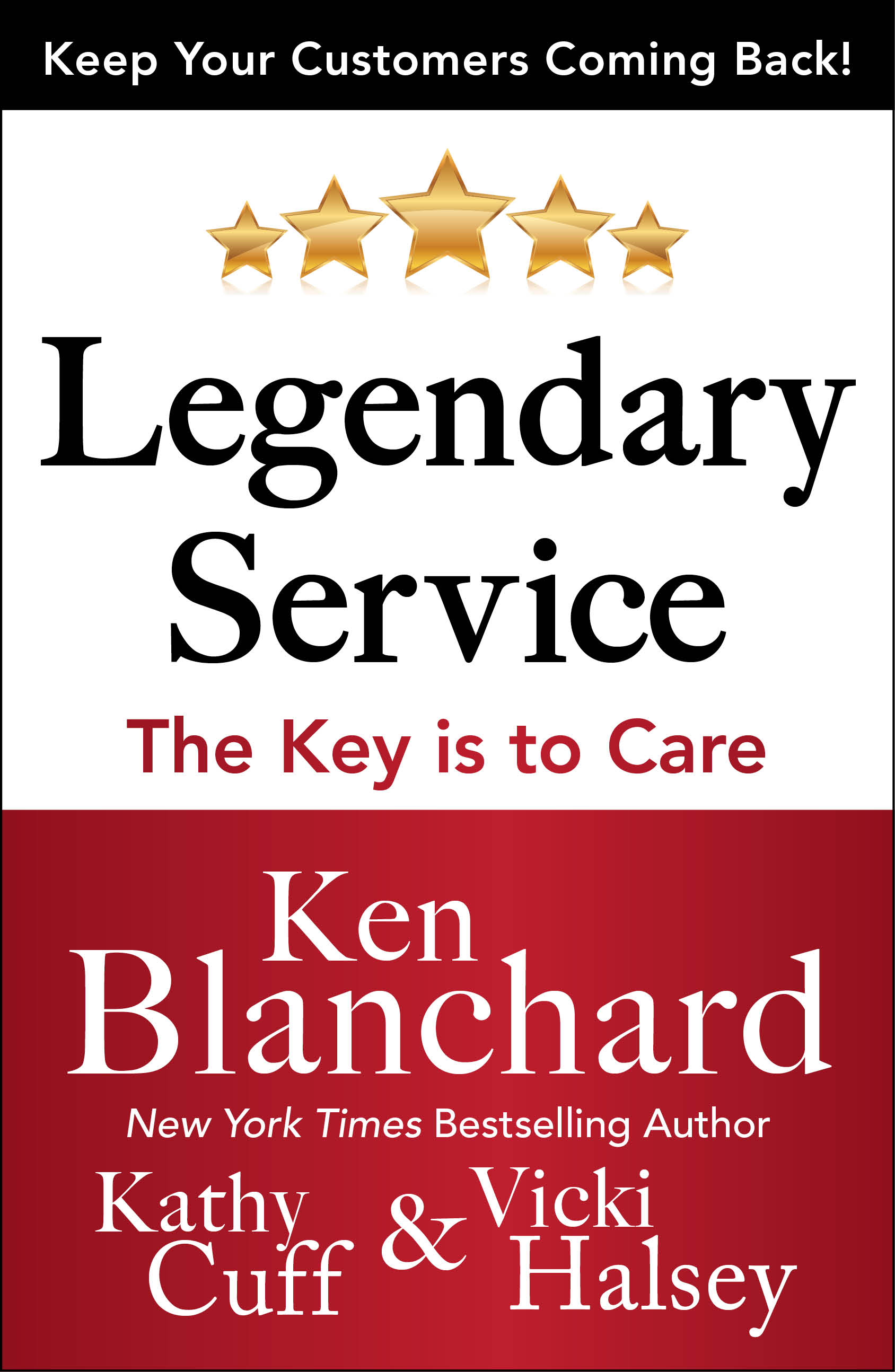
Legendary Service Book CoverThink of a time when you experienced really excellent service. Now compare that to a time when the service you received was just acceptable—okay, but nothing special. Which organization do you want to do business with again? I’ll bet it’s the one where someone made you feel valued and cared for—someone who understood the true importance of Legendary Service.

That’s the central message of my latest book, Legendary Service: The Key Is to Care. It’s a story that I think will change the way people look at service. I wrote it with my colleagues Kathy Cuff and Vicki Halsey, two experts on customer service. As coauthors of our Legendary Service customer service training program, Kathy and Vicki have spent years teaching the concepts of Legendary Service to clients in every industry.

What we know from working with companies of all sizes is that most organizations recognize the necessity of offering great customer service, but few really get it right. They zero in on specific tactics or trendy catchphrases, or they provide training to just a small number of people in customer service roles. They don’t understand that the best companies work to create a true service culture—where taking care of customers is everyone’s responsibility, not just the job of the people in the customer service department. These companies look at service from three equally important perspectives:

  1. Frontline service providers, who play a critical role because they are the ones who have direct contact with the customer.
  2. Managers, who not only empower their frontline people to provide exemplary service, but also act as role models for both internal and external service excellence.
  3. Senior leaders, who fully embrace the service initiative and communicate desired behaviors to the entire organization. Their goal is to create an environment where associates feel that they are valued internal customers of the organization so that they, in turn, want to take care of external customers and make them feel valued.

Legendary Service is really an inside-out issue—in two ways. At an organizational level, creating loyal external customers begins by taking care of your internal customers—your people.  At a personal level, providing great service begins when you realize that, as an individual, you have control over the service experience each of your customers receives. You can create a loyal customer by the service you provide.

To get at this dual focus, we use a model we call ICARE. We believe that there are five steps to becoming a Legendary Service provider:

  • Ideal Service: Meet the customer’s needs on a day-to-day basis by acting on the belief that service is important
  • Culture of Service: Foster an environment that focuses on serving the customer
  • Attentiveness: Know your customers and their preferences
  • Responsiveness: Demonstrate a genuine willingness to serve others as you fulfill their individual needs
  • Empowerment: Take the initiative to implement the service vision

We’ve found that the lessons of this simple model, when applied, will have a profound impact on the service experience your customers—both internal and external—will receive.

You can find out more by joining my coauthor Kathy Cuff on April 16 for a free webinar called Creating A Customer Focused Organization, where she will be sharing some of the book’s key concepts. We have also created a special web page where you can take an online quiz about your company’s service mentality and read an excerpt from the book. I hope you’ll check out both of these resources and discover the value of creating a Legendary Service culture in your organization.