Putting Servant Leadership into Action

Over the years, I’ve written a lot about servant leadership. I was recently reviewing Ken Jennings and John Stahl-Wert’s book The Serving Leader (Berrett-Koehler, 2003 and 2016) when I realized how much I like the term serving leader—it makes the point that leadership is about doing something, it’s not just a philosophy. When you are serving, you are taking action.

In my recent work on servant leadership, I’ve been focusing in on three actions every leader can take to serve their people more efficiently.

The first action is about Presence. Be present when you’re with your people. Focus directly on them—not on the next meeting, or the call you need to make, or the text message that just came in on your phone. Don’t let distractions take you away from a living person who is right in front of you. As a serving leader, you need to listen with the intent to learn, ask questions for clarity, and offer the support and direction your staff needs to be able to perform at their highest level. Each person has very different needs, and as a serving leader it takes your concentration and attention to be truly present with each individual. In this 24/7 world, this skill takes practice and commitment.

The second action is Acceptance. Serving leaders look for and build on the strengths each direct report brings to the job. And, realizing no one is perfect, they also identify weaknesses—areas where they might be able to help the person learn and grow. Helping someone develop new skills is perhaps the ultimate act of serving. Accepting people as they are and paying attention to both strengths and weaknesses allows serving leaders to set team members up for success, which serves not only the individual but the entire organization.

The third action is Creativity. Leaders work with teams made up of many different personalities and temperaments—and when you add the complexity of multiple generations in the workplace, the job of managing people can seem overwhelming. Some may see this as a challenge to be managed carefully, but the serving leader sees it as a chance to be creative and invite different perspectives to each project. Magical things can happen when different voices and opinions are shared in a trusting, collaborative environment. It brings about something I call one plus one thinking—where one plus one is actually greater than two. The job of the serving leader is to build a community where everyone feels they are part of the big picture.

I hope you think of yourself as a servant leader—but take it a step further and make sure you are taking the right actions to actively serve your people. Be present and focus on each person individually, accept people’s strengths and help them overcome weaknesses, and encourage creativity by inviting everyone to share their perspective. I guarantee that you’ll unleash talent and potential that will transform your direct reports, your team, and your organization.

Work Smarter, Not Harder, During the Holidays

The old saying Don’t work harder, work smarter might seem like common sense, but it isn’t common practice—especially during the hectic holiday season. In addition to the year-end push for revenue goals and project completion at work, everyone’s personal time is impacted with school vacations and holiday celebrations that can result in added pressure and frenzied activity. Many people approach this season with the mindset If I put in maximum time and effort 24/7, I should be able to get it all done.

I’d like to suggest something a little different. Although it’s very tempting to tell yourself “Don’t just sit there, do something,” please consider this: “Don’t just do something, sit there!” I know it sounds counterintuitive, but let me explain how this mindset can make things easier both at work and at home.

Someone once taught me the phrase Plan your work and then work your plan. When you jump into a project without proper planning, you often make decisions without all the necessary information—which can create extra work for both you and your team. But when you take the time to think, strategize, and prioritize, you’ll actually save time, have better focus, and avoid pitfalls along the way.

At work, it’s critical to take the time to create a project plan before taking action. This will allow you to be proactive at making continuous progress toward the end goal instead of being reactive when issues come up along the way and slow you down. Without a clear plan, you have no real focus. And without focus, you might be working hard—but not smart.

At home, it’s important to get the whole family involved in creating a plan for the holidays. There’s nothing sadder than ruining your own holiday spirit because you feel like you have to do it all. You might be surprised at how much everyone would pitch in on holiday preparations if you simply asked for help. So sit down as a group and decide who is going to be involved in which project. Doing projects together—whether it’s cooking, shopping, or entertaining—adds to the positive holiday spirit. And you’ll spend more time together as a family. What’s more important than that?

I encourage you to sit down and take a few minutes right now to plan your work and personal activities for the coming month. I guarantee it will be time well spent—and you’ll enjoy the benefits of working smarter, not harder.

Empowerment: The Key to Creating a Collaborative Culture

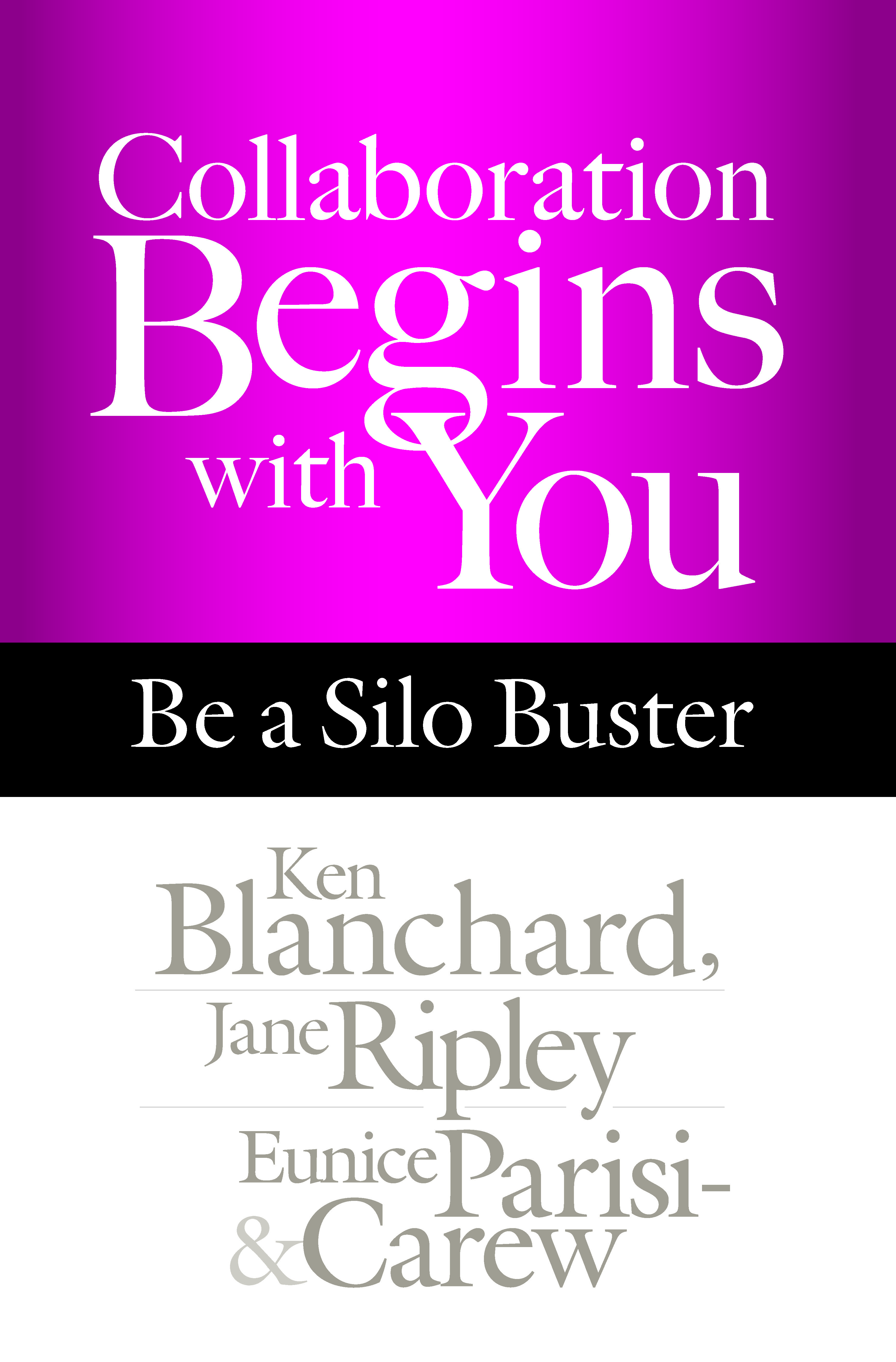
Effective leaders learn early in their careers that they can’t manage whole projects singlehandedly. They need an empowered team working collaboratively to achieve goals. In our new book, Collaboration Begins with You: Be a Silo Buster, my coauthors Jane Ripley, Eunice-Parisi Carew, and I explain the importance of empowering yourself as a leader and building collaboration by empowering your team.

In past blogs, I described the first four elements of the UNITE acronym that we developed to help describe what it takes to build a collaborative culture: Utilize differences; Nurture safety and trust; Involve others in crafting a clear purpose, values, and goals; and Talk Openly. Today I want to share more about the fifth element—Empower yourself and others.

When I think of a leader trying to go it alone, I imagine a crew team with only one oar in the water. It isn’t hard to realize that the boat isn’t going to get very far with only one person rowing. But, when all oars are in the water and team members are working together, the boat seems to glide over the water without effort. The same is true when a leader tries to manage all aspects of a project. Doing it alone just isn’t efficient. Having an empowered team take initiative and accept responsibility is the most effective way to not only reach goals but exceed them.

It is important to remember that a collaborative leader must still set work direction, resolve conflicts, and remove obstacles. However, with an empowered team the role of leader is to coach the team members and support collaboration. Leader and team members work together with a unified vision, complete trust in each other, and open communication in a truly collaborative culture.

How well do you think you are empowering yourself and your team? Ask yourself these questions.

  1. Do I continually work to develop my competence?
  2. Do I feel empowered to give my opinions during idea sessions, even if I disagree?
  3. Do I actively build and share my network with others?
  4. Do I share my skills and knowledge with other departments?
  5. Do I believe my work is important to the organization?

If you answered yes to most of these questions, you probably feel empowered yourself and serve as a role model for your team members to become empowered, too. If you answered no to any of the questions, think about what you can do to change your behavior. Encourage your direct reports to collaborate not only with team members, but also with others in the organization. I guarantee you’ll see people start to share knowledge, generate new ideas, and reach higher levels of performance—all in a culture of collaboration.

Collaboration Begins with You Book coverTo learn more about Collaboration Begins With You: Be a Silo Buster, visit the book homepage where you can download the first chapter.

Building Collaboration with Open and Honest Communication

Effective communication is the lifeblood of an organization, so it is critical for leaders to create a safe and trusting environment where people can share information freely. In our new book, Collaboration Begins with You: Be a Silo Buster, my coauthors Jane Ripley and Eunice Parisi-Carew and I offer tips for listening, giving feedback, and encouraging people to seek information and ask questions.

We use the UNITE acronym to introduce the five key elements needed to build a collaborative culture: Utilize differences; Nurture safety and trust; Involve others in crafting a clear purpose, values, and goals; Talk openly; and Empower yourself and others. In this post, let’s look at the importance of Talking openly.

As a leader, you probably already support your staff by working with them to create clear goals, supporting them, and removing roadblocks that hinder their ability to get things done. I hope you also praise them for their progress toward goals and redirect them when they get off course. But other components of communication need attention, too. Collaborative leaders need to develop their listening skills to truly understand what their direct reports are saying and to determine whether underlying issues exist. I suggest leaders also have an open door policy to encourage spontaneous interaction where people can speak candidly and ask questions. In turn, leaders must share all relevant information, give constructive feedback, and be open to receiving feedback from others. This kind of clear, honest communication will build the respectful and trusting environment necessary for a collaborative culture.

Think about how you interact with colleagues and your team. Now ask yourself these questions.

  1. Do others consider me a good listener?
  2. Do I share information about myself with my teammates?
  3. Do I seek information and ask questions?
  4. Do I give constructive feedback—and am I open to receiving feedback?
  5. Do I encourage people to network with others?

If you answered yes to these questions, you have probably created a trusting environment where people can talk openly. But pay attention if you answered no to one or more questions—because that’s where you need to start improving your skills on your way to become a collaborative leader.

Collaboration Begins with You Book coverTo learn more about Collaboration Begins With You: Be a Silo Buster, visit the book homepage where you can download the first chapter.

The Collaborative Way to Create a Clear Purpose, Values, and Goals

I’ve always said that leadership is about going somewhere—and a big part of that is working with your people to create a clear purpose, values, and goals. This is a key element in the collaborative process we describe, using the acronym UNITE, in my latest book with my coauthors Jane Ripley and Eunice Parisi-Carew, Collaboration Begins with You: Be a Silo Buster.

As a reminder, UNITE represents the five elements every person must adopt if they want to create a culture of collaboration in their workplace: Utilize differences; Nurture safety and trust; Involve others in crafting a clear purpose, values, and goals; Talk openly; and Empower yourself and others. Today we will take a closer look at the importance of Involving others in the process of creating a clear purpose, values and goals. To clarify, a clear shared purpose galvanizes action, values guide behaviors, and goals focus energy.

It is the responsibility of the leader to ensure that the vision and direction are clear, but it is essential to get feedback from everyone when writing the purpose statement, operating values, and strategic goals. If these decisions are made by executives and imposed on the group in a top-down implementation, people won’t be wholly supportive. When everyone has input there is greater support and buy-in because each person has a stake in the outcome. Involving people in these decisions builds their commitment to the cause—whether it is at the corporate, department, or team level.

Once the purpose statement is created, team members need to agree on values and rank them in order of importance. This is a critical step because sometimes values can be in conflict with each other. For example, let’s say your values are integrity, relationships, success, and creativity, ranked in that order. Your team has come up with a very creative idea, but implementing it would be cost prohibitive and could put the company at financial risk. Since success is ranked before creativity, the project would be a no-go—that is, unless the team can be creative enough to develop a way to make the project a less expensive undertaking.

The last task is to agree upon three or four key goals that clearly state what is expected of the team. Some leaders make the mistake of thinking that when the purpose and values are clear, people will understand what they need to do. But that is a dangerous assumption to make. Don’t leave anything to chance. Clear goals are necessary to ensure everyone is moving in the same direction for the same reasons.

As a leader, how well do you think you involve others in crafting a clear purpose, values and goals? Ask yourself these questions.

  1. Is my team committed to a shared purpose?
  2. Do I know the purpose of our project and why it is important?
  3. Do I hold myself and others accountable for adhering to our values?
  4. Do I check decisions against our stated values?
  5. Do I hold myself and others accountable for project outcomes?

If you answered yes to most of these questions, you are probably a very collaborative leader. Use this checklist as a guide to make sure you are focused on continual improvement and keeping your team involved.

Collaboration Begins with You Book coverTo learn more about Collaboration Begins With You: Be a Silo Buster, visit the book homepage where you can download the first chapter.